Whole-home audio is one of those features people rarely ask for twice — because once they have it, they use it every day. Music in the kitchen while you cook, a podcast in the primary bath, a playlist out on the patio, or the same song throughout the house when you entertain. Here is what separates a great system from a frustrating one.
Start with zones
A zone is an area that plays its own music at its own volume. It might be a single room, like the kitchen, or a group of connected spaces, like an open living and dining area.
Think about how you live:
- Which rooms do you want music in?
- Which rooms should always play together?
- Where will people want different music at the same time?
Most homes end up with somewhere between four and ten zones. Planning them first keeps the system easy to use.
Choosing speakers
- In-ceiling speakers are the most popular choice. They disappear into the room and spread sound evenly, which makes them ideal for background music.
- In-wall speakers deliver more focused, full sound and are a great choice for living rooms and media spaces where music matters most.
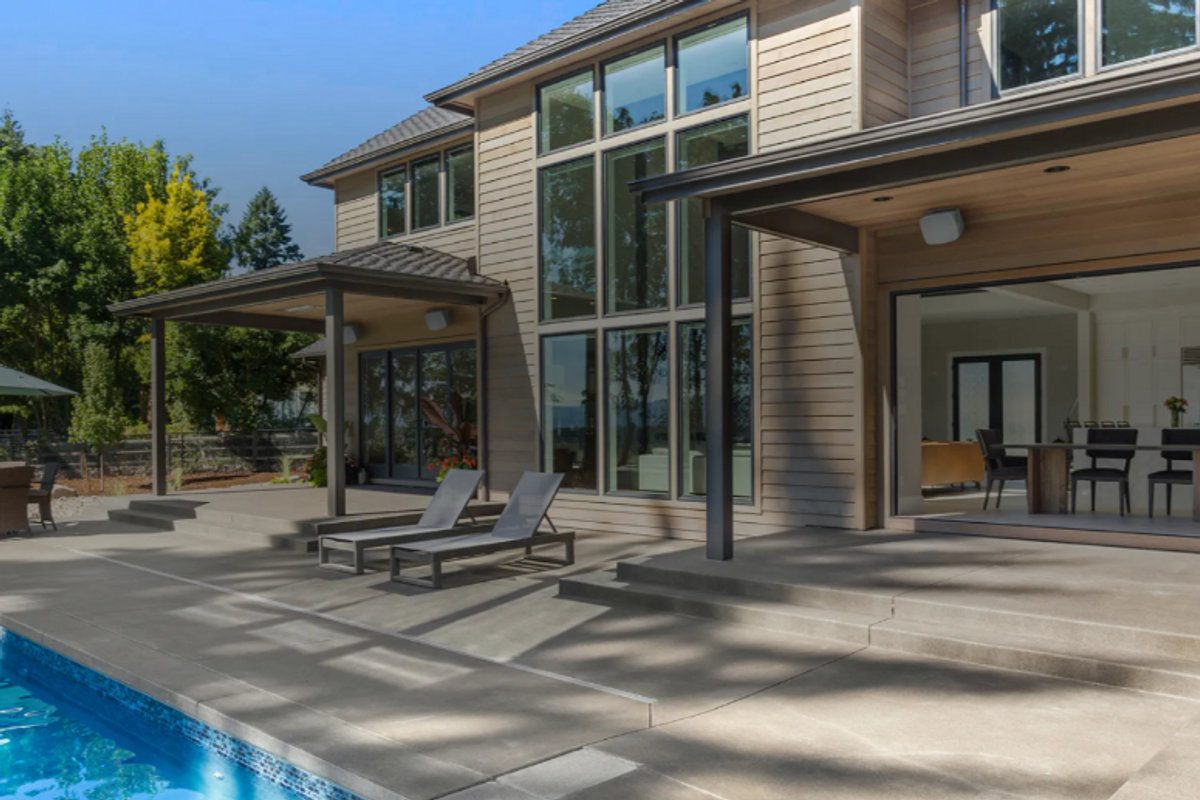
- Outdoor speakers are built to handle sun, rain and temperature swings. Landscape speakers can hide in garden beds for even coverage across a yard.
- Subwoofers, including in-wall and in-ground models, add depth in larger spaces and outdoors.
Speaker quality matters, but placement matters just as much. Speakers that are spaced well for the room will almost always sound better than more expensive speakers placed in the wrong spots.
Pro tip: In larger rooms, more speakers at a lower volume sound better than two speakers turned up loud.
Amplifiers and where the equipment lives
Passive speakers in walls and ceilings need amplifiers. There are two common approaches:
- Centralized: amplifiers and streaming equipment live in one rack or closet, with speaker wire running to each room. Clean, easy to service and ideal for new construction or larger systems.
- Room-by-room: a compact streaming amplifier, such as a Sonos Amp, powers each zone. A flexible choice for smaller systems or adding zones over time.
Sources: what you will listen to
Make sure the system supports the services you actually use, whether that is Spotify, Apple Music, Amazon Music, Pandora, SiriusXM or podcasts. Many systems also support AirPlay and Spotify Connect, so anyone in the house can play from their own phone. If you love vinyl or have a TV you want to hear throughout the house, plan for those sources too.
Control everyone can use
The best system is one the whole family actually uses. Look for:
- A simple app on everyone's phone
- Keypads or volume controls in rooms where people do not want to reach for a phone
- Voice control — with Josh.ai, you can say "play jazz in the kitchen" or "turn up the patio"
- Integration with the rest of the home, so the music can lower when the doorbell rings or start when you press "Welcome home"
Plan it with the rest of the home
Whole-home audio works best when it is designed alongside lighting, networking and video. A strong network keeps music streaming smoothly, and a single control system means one app instead of five.
How we help
We map out your zones, choose and place speakers for each room, and design the equipment and controls around how your household listens. We work with brands like Sonos, Klipsch, KEF, Definitive Technology, Denon and Marantz to build the right system for your home and budget.
See more on our Audio / Video page, try our Project Cost Estimator, or schedule a consultation.