The magic of lighting control is not dimming one light from your phone. It is pressing one button and having the whole room — or the whole house — look just right. That is what a scene does. But too many scenes, or the wrong ones, and nobody remembers which button to press. Here is how to set up scenes that your whole household will actually use.
Keep it to three or four per room
Most rooms only need a few scenes. A good starting point:
- Bright — everything on, for cleaning or finding something you dropped
- Everyday — comfortable light for normal use
- Evening — softer and warmer, for dinner or relaxing
- Off — everything in the room off with one press
Kitchens, living rooms and primary suites might add one more, like Movie in the family room or Reading in the bedroom. Hallways and smaller rooms often need only on and off.
Name scenes for what you do
Name scenes after activities, not light levels. "Dinner" is easier to remember than "Kitchen 60%." Engraved keypad buttons and voice commands work much better with names people already use.
Pro tip: If a scene name needs explaining, it is the wrong name. Ask everyone in the house what they would call it.
Add a few whole-home scenes
These are the scenes clients tell us they would never give up:
- Good night — one button by the bed turns off every light in the house, and can lower the shades and lock the doors if those are part of your system.
- Welcome home — lights the entry, kitchen and main living areas when you arrive.
- Away — turns everything off when you leave.
- Pathway — very low light along the route to the kitchen or bathroom at night, so nobody is blinded at 2 a.m.
Let the house do some of the work
Schedules and sensors take care of the things you would otherwise forget:
- Exterior and landscape lights that turn on at sunset and off at a set time
- Closet, laundry and pantry lights that turn on when you open the door or walk in, and off when you leave
- Shades that lower automatically to block afternoon sun
Get the levels right
Scenes are only as good as their light levels. A few adjustments make a big difference:
- Lower levels than you think — most evening scenes look best at 30 to 60 percent.
- Slower fades feel more natural than lights snapping on and off.
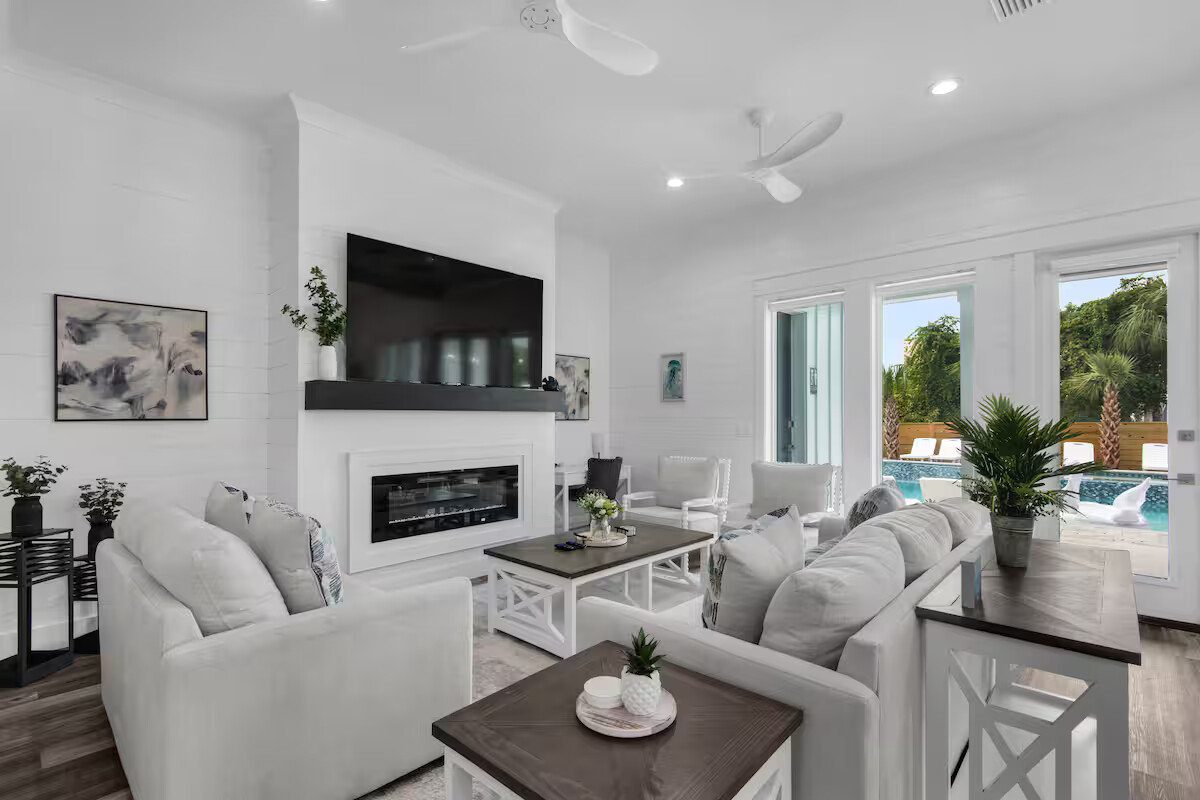
- Layer the light: combine overhead lights with lamps, under-cabinet lights and accent lights instead of relying on one source.
If your system supports tunable white lighting, scenes can also shift color temperature: crisp and bright during the day, warm and cozy at night.
Use voice for everything else
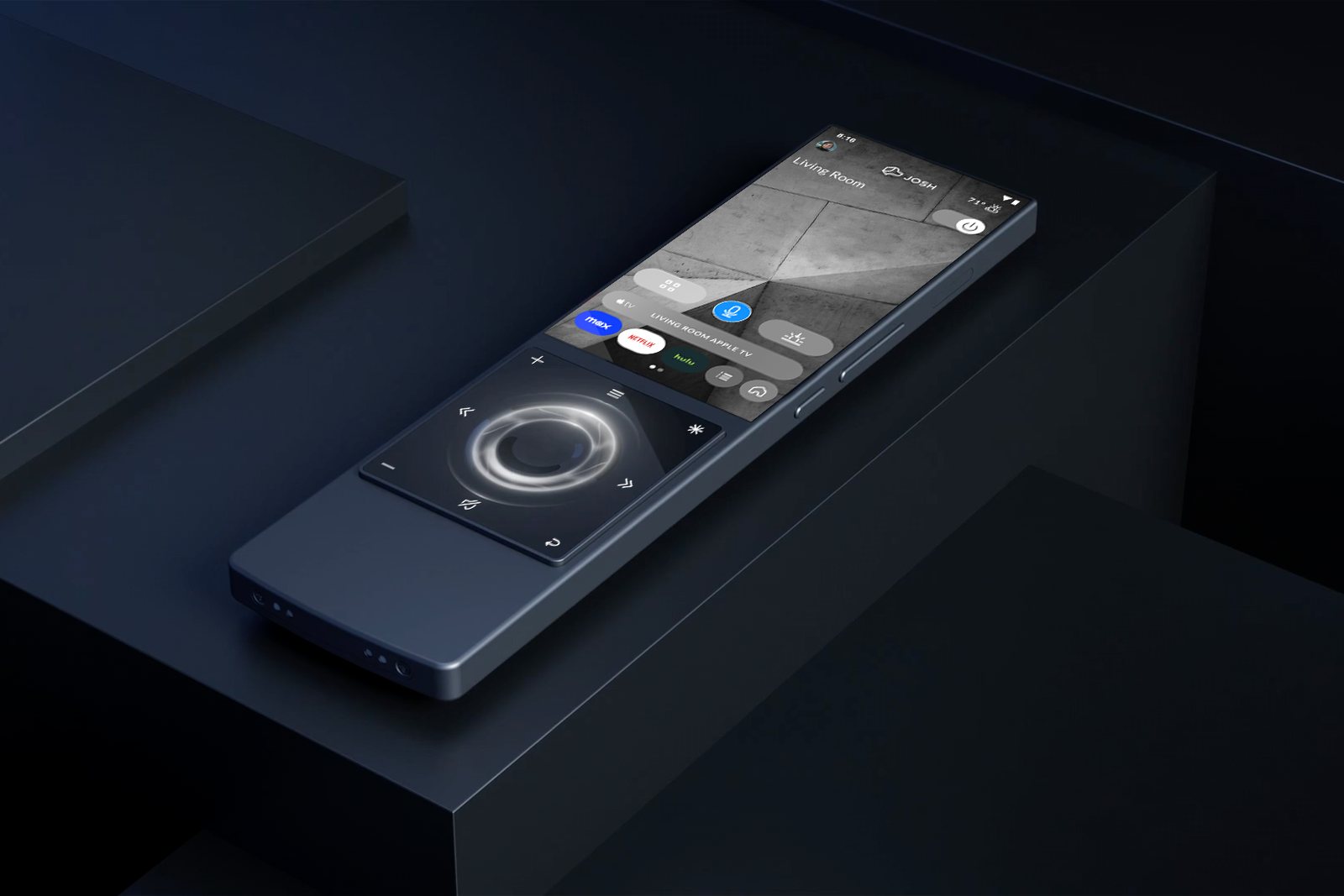
With Josh.ai, you can call up any scene by name — "Josh, dinner time" or "Josh, good night" — or adjust a single light without hunting for the right switch. Voice is a great complement to keypads, especially for guests and kids.
Live with it, then adjust
Your routines will reveal what works. After a few weeks, most clients ask us to tweak a level here or add a scene there. A professionally programmed system makes those changes easy.
See what's possible on our Smart Lighting page, read our guide to choosing a Lutron system, or schedule a consultation.